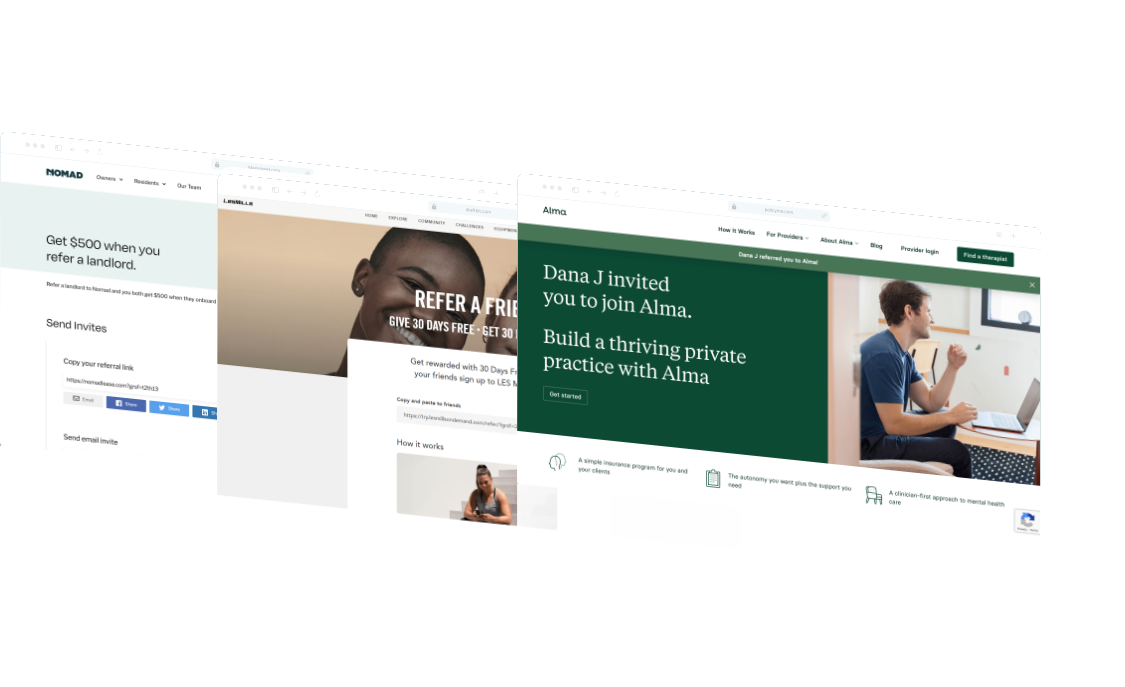
A referral link has to land somewhere. The referral landing page is that destination, and it is the only part of a referral program the referred friend ever sees. If it is confusing, everything upstream, the reward, the sharing copy, the referrer's enthusiasm, is wasted.
What a Referred Friend Needs to See
- Who referred them. "Sarah invited you" turns a marketing page into a recommendation from someone they trust.
- What they get. In a double-sided referral, the friend's reward is the headline: a free month, $20 off, a gift card.
- One next step. A single form or button. Not a menu, not a pricing table, not a blog.
- Enough trust to act. A line about what the product does, a logo, and maybe a short testimonial. Nothing more.
Referral Landing Page vs. Referral Page
These get confused. A referral page or referral portal is where your existing customer gets their link and tracks their referrals. A referral landing page is where their friend arrives. They serve different people with different intent, and they should look different.
Capture the Lead Early
Most referred friends do not sign up on their first visit. They read the offer, mean to come back, and never do. A landing page that asks only for an email in exchange for the offer captures the lead while the recommendation is fresh. The referral is attributed to the referrer at that moment, the friend gets an email reminding them of the offer, and they can finish signing up whenever they are ready.
Attribution on the Page
The landing page is where referral attribution happens. The link or code identifies the referrer, a cookie remembers them for the length of the attribution window, and the friend's email or account ties the eventual conversion back to them. If the page strips the referral parameter, redirects through a system that drops it, or lives on a domain the tracking script does not cover, the referral is lost.
Best Practices
- Match the promise in the share message. If the referrer's text said "get a free month," the page should say "get a free month" in the first line.
- Keep the offer and the form above the fold, especially on mobile, where most referral links are opened.
- Load fast. Referred visitors have less patience than people who searched for you.
- Do not ask for more than you need. Email first, everything else later.
- Show the referrer's reward too when it helps the friend feel good about signing up.



 Salesforce
 Stripe
 HubSpot
 Chargebee
 PayPal
 Wise
Wise Tango Card
 Tremendous
 Recurly
 Braze
Braze Zapier
 Webhooks