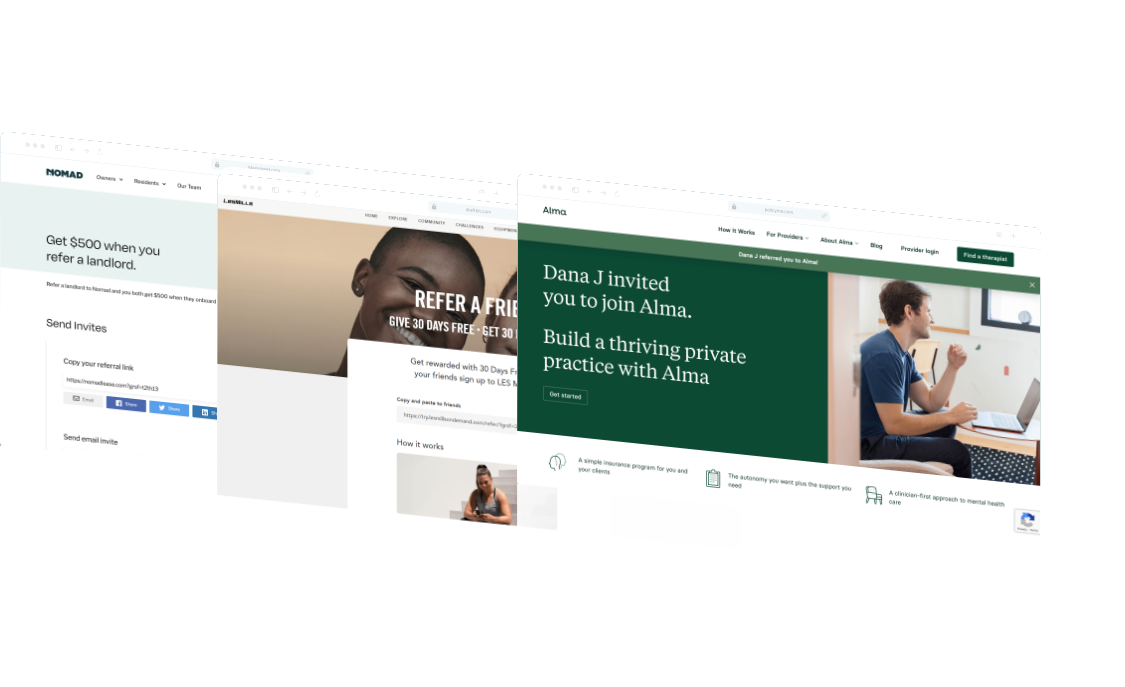
A referral portal is the central hub of any referral program. It is a dedicated web page or dashboard where participants can view and manage everything related to their referral activity. A well-designed referral portal makes participation effortless and keeps referrers engaged by providing transparency into their progress and rewards.
Key Features of a Referral Portal
An effective referral portal includes several essential components that work together to create a seamless participant experience:
- Unique referral link: Prominently displayed with a one-click copy button, making it effortless for participants to grab and share their personal link.
- Sharing buttons: Pre-configured buttons for sharing via email, Facebook, Twitter, LinkedIn, and other channels, complete with pre-written share messages that participants can customize.
- Referral tracker: A real-time display showing how many referrals the participant has made, how many are pending, and how many have converted.
- Reward progress: Visual indicators showing rewards earned, rewards pending, and progress toward the next tier or milestone.
- Program details: Clear explanation of how the program works, what actions qualify for rewards, and what rewards are available.
Why Referral Portals Matter
A referral portal directly impacts program participation and performance. Without a central location for participants to access their referral tools, sharing becomes inconvenient and participation drops. The portal serves as a constant reminder of the program's existence and the rewards available, keeping referral activity top-of-mind for customers.
Transparency is another critical function. When participants can see their referral status in real time, they trust the program more and stay engaged. If a referral is pending or a reward has been delayed, visibility into the reason prevents frustration and support tickets.
Embedded vs. Standalone Portals
Referral portals can be implemented in two primary ways. An embedded portal is integrated directly into your existing website or application using a widget, iframe, or JavaScript component. This approach provides a seamless brand experience because participants never leave your site. A standalone portal is a separate page hosted by the referral platform, which is quicker to set up but may feel less integrated with your brand experience.
White-Labeling and Customization
The most effective referral portals are white-labeled to match your brand identity. This means customizing colors, fonts, logos, and messaging so the portal feels like a natural extension of your product rather than a third-party add-on. White-labeling builds trust and reinforces brand consistency, making participants more comfortable sharing from the portal.
Best Practices for Referral Portals
The referral link should be the most prominent element on the page, with a conspicuous copy button. Sharing options should cover all the channels your audience uses. Progress toward rewards should be visualized with progress bars or similar graphics. The portal should be accessible from multiple entry points within your product, such as navigation menus, account dashboards, and in-app notifications. Mobile responsiveness is essential, as many participants will access the portal and share from their phones.


 Salesforce
 Stripe
 HubSpot
 Chargebee
 Recurly
 PayPal
 Tango Card
 Webhooks
 Zapier