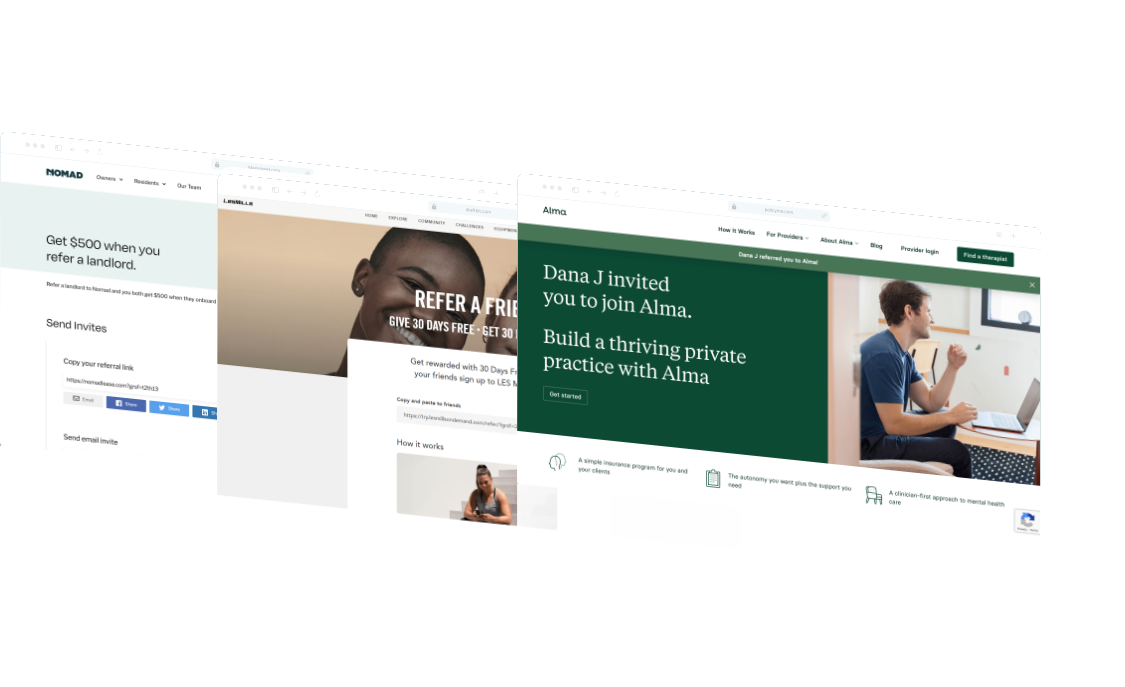
A referral widget is a compact, embeddable UI component that brings referral program functionality directly into your website or application. Rather than sending customers to a separate page or referral portal, a referral widget integrates the referral experience into your existing user interface, making participation seamless and contextually relevant.
Types of Referral Widgets
Referral widgets come in several forms, each suited to different use cases and integration points:
- Embedded form widget: A signup form that can be placed on any page, allowing visitors to enter their email and join the referral program. Once signed up, it transforms to show their unique referral link and sharing options.
- Pop-up widget: A modal or overlay that appears based on triggers like page visits, time on site, exit intent, or button clicks. It captures attention without requiring dedicated page space.
- Floating button widget: A persistent button that sits in a corner of the screen, expanding when clicked to reveal the referral portal with links, sharing options, and progress tracking.
- Dashboard widget: A component embedded within a user's account dashboard that shows their referral link, referral count, and reward status alongside other account information.
- Post-action widget: A widget that appears after a specific action like completing a purchase, finishing onboarding, or achieving a milestone, capitalizing on moments of satisfaction to prompt sharing.
Why Referral Widgets Matter
Referral widgets reduce friction in the referral process by meeting customers where they already are. Instead of requiring customers to navigate to a separate referral page, find their link, and figure out how to share it, widgets make the entire process accessible with a single click from anywhere in the product experience. This convenience directly translates to higher participation rates and more referral activity.
Widget Placement Strategy
Where you place your referral widget significantly impacts its effectiveness. High-traffic areas like the main navigation, account dashboard, and post-purchase confirmation pages provide maximum visibility. Contextually relevant placements, such as showing the widget after a customer receives value from the product, capitalize on positive sentiment. Multiple widget placements across different touchpoints ensure that customers encounter the referral opportunity regardless of how they interact with your product.
Customization and Branding
Effective referral widgets are customized to match your brand identity. Colors, fonts, imagery, and copy should be consistent with the rest of your product. The widget should feel like a native feature of your application, not a third-party add-on. White-labeled widgets that fully adopt your branding build more trust and see higher engagement than generic, obviously third-party components.
Technical Integration
Modern referral widgets are typically implemented as JavaScript components that can be added to any web page with a few lines of code. They handle user authentication, referral link generation, sharing functionality, and tracking automatically. The best widgets offer both no-code options for quick deployment and API access for custom implementations. They should be lightweight, fast-loading, and responsive across desktop and mobile devices.


 Salesforce
 Stripe
 HubSpot
 Chargebee
 Recurly
 PayPal
 Tango Card
 Webhooks
 Zapier