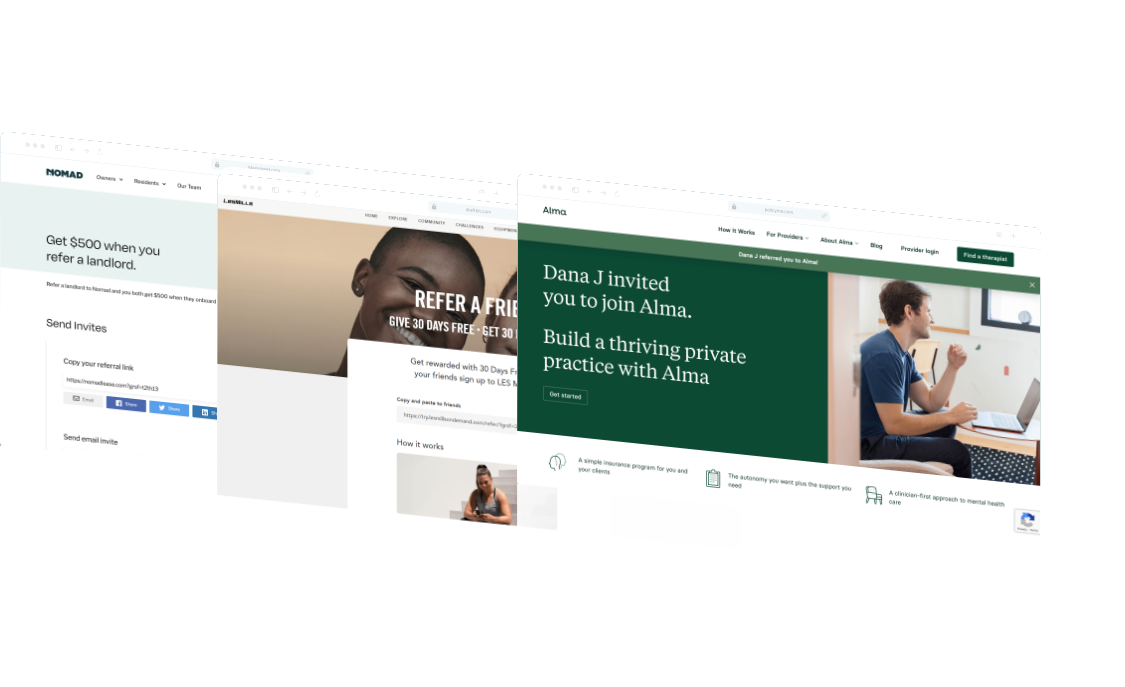
 Salesforce
 Stripe
 HubSpot
 Chargebee
 Recurly
 PayPal
 Tango Card
 Webhooks
 Zapier




Churn Rate Benchmarks by Industry
The average annual churn rate across all industries is 20-30%. (Recurly Research)
SaaS companies average 5-7% annual revenue churn for B2B and 8-12% for B2C products. (ProfitWell)
Telecommunications companies experience an average annual churn rate of 20-25%. (Deloitte)
Streaming media services average a 6-8% monthly churn rate. (Recurly Research)
Banking and financial services have the lowest churn at 5-11% annually. (Bain & Company)
Subscription box services experience the highest churn at 10-15% monthly. (Recurly Research)
Insurance companies average a 12-17% annual churn rate. (McKinsey & Company)
B2B SaaS companies with ACV over $100K have an average annual churn rate of 2-4%. (Bessemer Venture Partners)
Fitness and wellness subscription services average 7-9% monthly churn. (IHRSA)
The Cost of Customer Churn
US companies lose $136.8 billion per year due to avoidable consumer switching. (Accenture)
It costs 5-25x more to acquire a new customer than to retain an existing one. (Harvard Business Review)
A 5% reduction in churn can increase profits by 25-125%. (Bain & Company)
The average SaaS company spends 92% of its first-year revenue on customer acquisition, making churn extremely costly. (David Skok / For Entrepreneurs)
For a company with $10M ARR and 10% churn, reducing churn by 2 percentage points adds $1.3M in revenue over 5 years due to compounding. (ProfitWell)
Churned customers cost 3-7x more to win back than new customer acquisition. (Gartner)
Negative churn — where expansion revenue exceeds lost revenue from churning customers — is achieved by only 30% of SaaS companies. (OpenView Partners)
Why Customers Churn
68% of customers churn because they perceive the company does not care about them. (Rockefeller Corporation)
Poor customer service drives 73% of consumers to switch brands. (Microsoft)
Price is the primary churn reason for only 9-15% of customers, far less than perception suggests. (Rockefeller Corporation)
Lack of product usage in the first 90 days predicts churn with 85% accuracy. (Mixpanel)
Customers who do not achieve their desired outcome within 30 days are 3x more likely to churn. (Gainsight)
35% of SaaS churn occurs during the onboarding phase. (Wyzowl)
Involuntary churn from failed payments accounts for 20-40% of total churn in subscription businesses. (ProfitWell)
Customers who contact support 3+ times for the same issue are 5x more likely to churn. (Zendesk)
Churn Prediction and Analytics
Predictive churn models can identify at-risk customers with 80-90% accuracy. (Gartner)
Companies using AI for churn prediction reduce churn by 15-25%. (McKinsey & Company)
The average churn prediction model uses 15-25 behavioral signals. (Gainsight)
Customer health scores accurately predict churn 6-12 months in advance when properly calibrated. (Totango)
Product usage decline is the strongest churn predictor, appearing in 78% of successful churn models. (Mixpanel)
NPS detractors (0-6 score) churn at 6x the rate of promoters (9-10). (Bain & Company)
Engagement scoring reduces surprise churn by 35%. (Gainsight)
Churn Prevention Strategies
Proactive customer outreach reduces churn by 15-25%. (Gartner)
Structured onboarding programs reduce early-stage churn by 50%. (Wyzowl)
Dunning management and payment retry sequences recover 20-30% of involuntary churn. (ProfitWell)
Exit surveys capture actionable feedback from 30-40% of churning customers. (Qualtrics)
Win-back campaigns successfully re-engage 10-15% of churned customers within 6 months. (Recurly Research)
Customer success teams reduce churn by 20-30% in B2B SaaS. (Gainsight)
Offering a pause option instead of cancellation retains 15-20% of customers who would otherwise churn. (Recurly Research)
Annual billing contracts reduce churn by 40-50% compared to monthly billing. (ProfitWell)
The Churn-Referral Connection
Referred customers churn at an 18% lower rate than non-referred customers. (Harvard Business Review)
Customers who refer others are 3x less likely to churn themselves. (Wharton School of Business)
Referral program participants have a 92% retention rate at 12 months. (Bond Brand Loyalty)
Companies that combine churn prevention with referral incentives see 25% better retention outcomes. (McKinsey & Company)