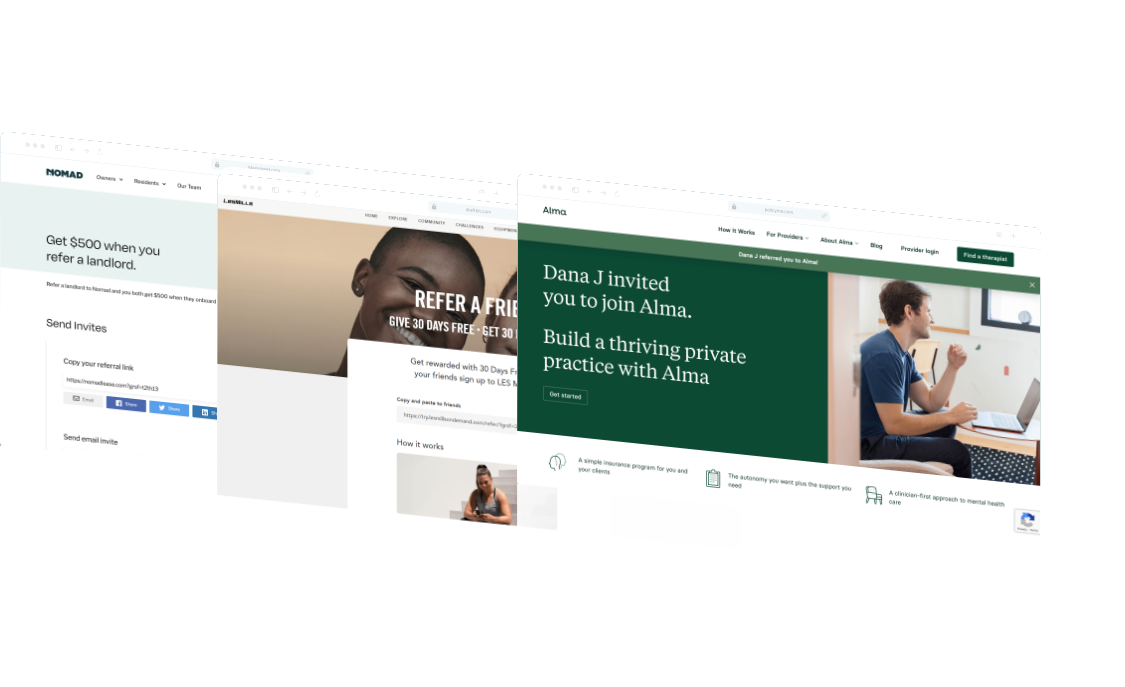
 Salesforce
 Stripe
 HubSpot
 Chargebee
 Recurly
 PayPal
 Tango Card
 Webhooks
 Zapier




CLV Benchmarks and Financial Impact
Increasing customer lifetime value by 10% can increase company valuation by 30% or more. (McKinsey & Company)
The average SaaS customer lifetime value is 3-5x the annual contract value. (ProfitWell)
E-commerce CLV averages $168 across industries for the first year, growing to $480 over 3 years. (Shopify)
The top 1% of e-commerce customers are worth 18x more than the average customer. (Adobe Digital Index)
Customer-centric companies are 60% more profitable than companies that are not focused on CLV. (Deloitte)
Companies in the top quartile for CLV grow revenue 2.4x faster than the bottom quartile. (Bain & Company)
The average B2B SaaS customer lifetime is 3-5 years, with enterprise accounts averaging 5-7 years. (ProfitWell)
Banking customers have an average CLV of $2,000-$5,000 over 7-10 year relationships. (Bain & Company)
Factors That Increase CLV
Referred customers have a 16% higher lifetime value than non-referred customers. (Wharton School of Business)
Customers acquired through organic channels have a 20% higher CLV than paid channel customers. (HubSpot)
Loyalty program members have a 25-40% higher CLV than non-members. (Bond Brand Loyalty)
Personalization increases CLV by 20-30% through higher engagement and repurchase rates. (McKinsey & Company)
Cross-selling increases CLV by 20-30% per successful additional product adoption. (Bain & Company)
Customers who engage with customer success programs have a 35% higher CLV. (Gainsight)
Omnichannel customers have a 30% higher CLV than single-channel customers. (Harvard Business Review)
Customers who use 3+ product features in the first month have a 4x higher CLV. (Mixpanel)
CLV and Acquisition Strategy
The ideal CLV-to-CAC ratio is 3:1 or higher. (David Skok / For Entrepreneurs)
Only 42% of companies can accurately measure their customer lifetime value. (Invesp)
Companies that use CLV to guide acquisition spending grow 30% faster than those that do not. (McKinsey & Company)
Referred customers have a CLV-to-CAC ratio 2.5x better than paid-acquired customers. (Wharton School of Business)
Companies that acquire high-CLV customers grow at 2x the rate of companies focused on volume. (Bain & Company)
Predictive CLV models can identify high-value customers at the point of acquisition with 75% accuracy. (Gartner)
Subscription businesses with high CLV have 40% higher enterprise value multiples. (Bessemer Venture Partners)
CLV by Customer Segment
The top 10% of customers generate 40% of total revenue for most businesses. (Adobe Digital Index)
Repeat customers represent only 8% of site visitors but generate 40% of revenue. (Adobe Digital Index)
High-engagement customers have a CLV 3-5x higher than low-engagement customers. (Mixpanel)
Customers who make a second purchase within 30 days of their first have a 2x higher CLV. (RJMetrics)
Mobile-first customers have a 15% lower CLV than multi-channel customers on average. (Criteo)
Customers acquired during promotional periods have a 20% lower CLV than full-price customers. (McKinsey & Company)
Enterprise B2B customers have 5-8x the CLV of SMB customers. (ProfitWell)
CLV Optimization Strategies
Reducing churn by 5% increases CLV by 25-95%. (Bain & Company)
Upselling to existing customers has a 60-70% success rate, compared to 5-20% for new prospects. (Marketing Metrics)
Customer success investments increase CLV by an average of 15-25%. (Gainsight)
Annual billing increases CLV by 15-20% by reducing churn and increasing commitment. (ProfitWell)
Referral programs increase CLV both for referrers (who become more engaged) and referred customers (who are higher quality). (Harvard Business Review)
Email nurture campaigns increase CLV by 10-15% through improved engagement and repurchase rates. (Mailchimp)
Community-driven brands see 19% higher CLV from community-engaged customers. (CMX Community Industry Report)
Proactive customer success outreach at key milestones increases CLV by 20%. (Totango)